
Dr. Ken Rietz
Crude oil prices are dropping, rather rapidly compared to recent declines. The price of crude oil dropped more than 3.5% in two days earlier this week. Of course, the media has the answer: OPEC+ countries expect to continue increasing production. Admittedly, that likely is the biggest factor. But it is rare for price changes to have a single cause, and this is no exception, even though the media doesn’t cover it very well. In this commentary, we dig a bit deeper into the reasons that Saudi Arabia is spearheading production increases in the OPEC+ countries, since Saudi Arabia is the titan of OPEC+.
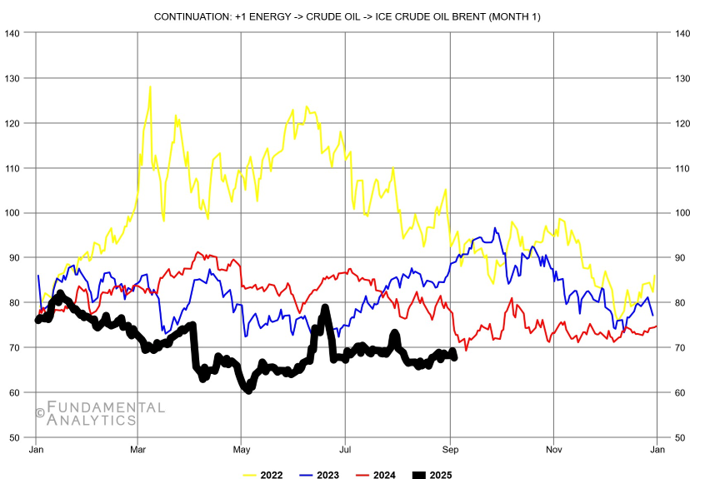
Figure 1: Front-month futures for ICE Brent crude oil
The news from the markets is very one-sided; the price is going to drop. The graph never gives any help in determining the cause of the drop, and it certainly can’t tell us much about Saudi Arabia. Some of these assertions about Saudi Arabia are conclusions people have drawn based on their actions and interpretations of their intentions, so be careful.
It is not obvious why Saudi Arabia wants to increase the amount of crude oil it produces. After all, that reduces the price of crude oil and cuts into their profits. Generally, this is a standard market tactic to recapture market share. It increases the amount of crude oil that they sell. Additionally, it puts pressure on producers who can’t profitably produce oil at the lower price, and can even put some producers (that is, competitors) out of business. The Saudis admit that the cuts will reduce their oil income and are prepared to reduce government spending accordingly. It is also important to “unwind” the earlier production cuts, and this is a managed way to accomplish that. OPEC+ will allegedly consider further raising oil production at a meeting on Sunday.
There are also some more distant reasons. The Saudis are reportedly upset with some OPEC+ countries that regularly exceed their quota, so this will affect those countries most, hopefully to bring them back into line. Various indications point to a market that can support an increased production, which makes this increase a clever move right now. It is also getting into the hottest season in the northern hemisphere, and the highest usage of oil to generate electricity to run air conditioners.
What are the trading implications of these maneuvers in crude oil production? It is clear that the price of crude oil will drop, and the market has already factored that into the futures. But the preponderance of reasons for increased production is likely to cause the price to continue to fall. Selling crude oil futures, or an equivalent of that, seems to be the most prudent way to go.