
Dr. Ken Rietz
In the past few weeks, both corn and wheat have hit hard times. For corn, the futures prices keep dropping, even though the crop indicators are improving. For wheat, the futures are mostly down, and the crop indicators are mixed. You might think that the biggest indicator for a successful crop is the weather, so the prices should trend in the same direction, but historically, that is not the case. Part of the problem is that the corn belt and corresponding wheat belt are not the same, and the big weather patterns hit them differently. But in this case, it is the differences in global markets that are the determining factors. Here are the charts of the front-month CBOT futures for the two grains.
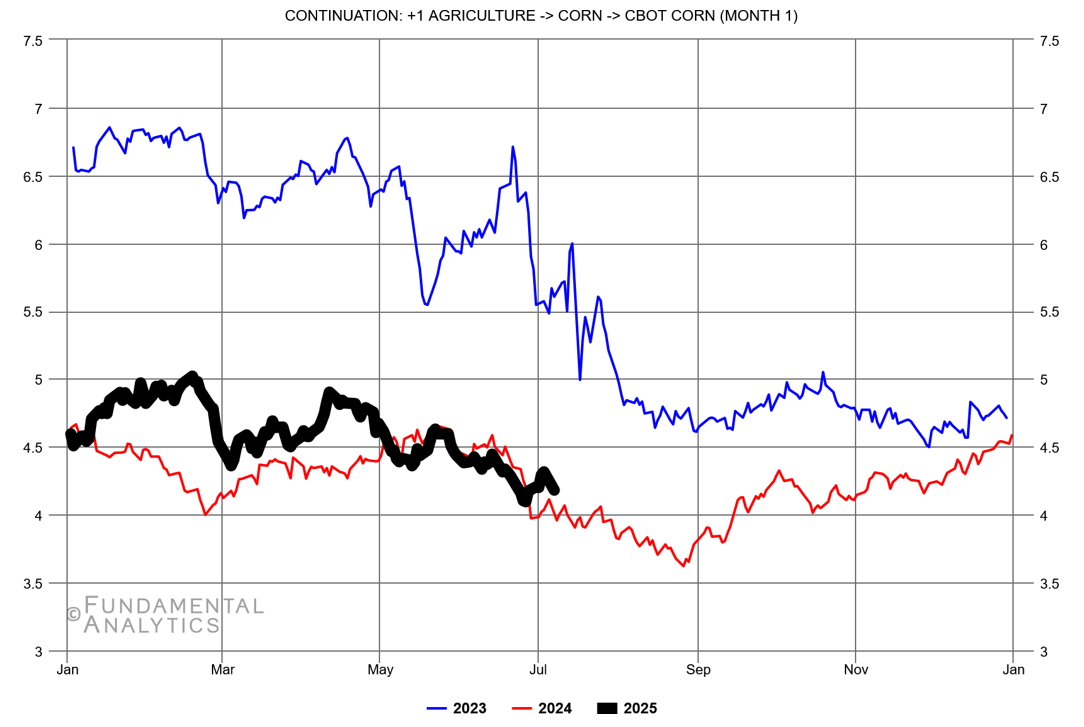
Figure 1: CBOT front-month futures for Corn
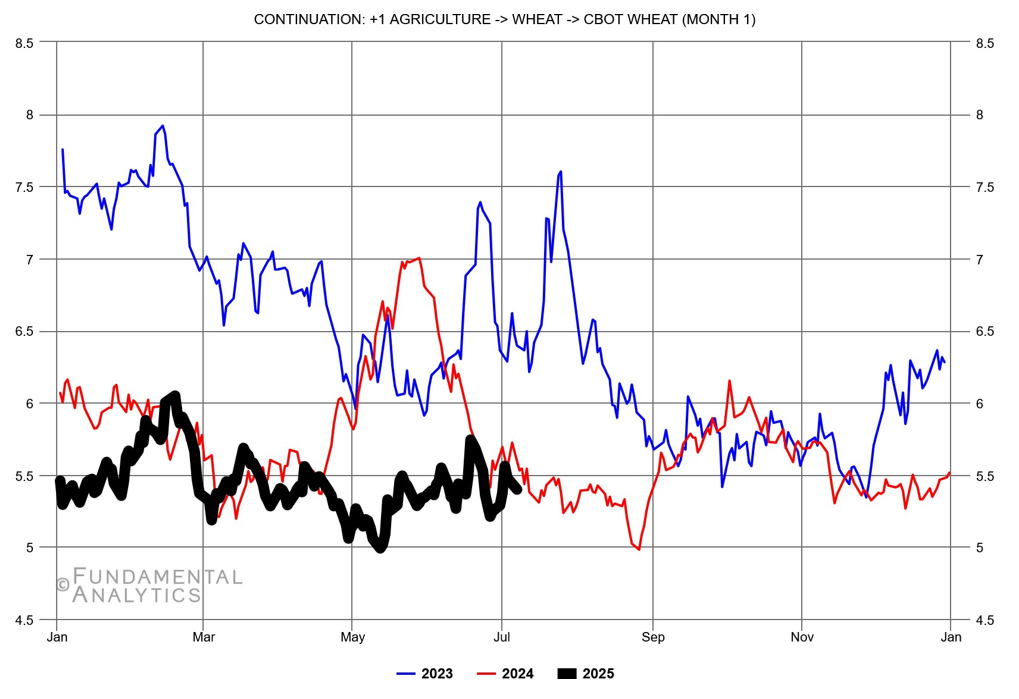
Figure 2: CBOT front-month futures for Wheat
You can see that the prices for corn this year are mostly above the corresponding prices for last year. Contrast that to wheat, where the prices are almost entirely below the corresponding prices from last year. Let’s take these separately, starting with corn.
Corn
Corn futures are down for good reasons. The acreage planted was higher than last year. The crop assessment index was good to excellent for 74% of the crop, the highest for this time of year since 2018. The weather outlook for the immediate future looks good. All of these things contribute to larger supplies of high-grade corn and therefore lower futures prices. But internationally, events are piling on more reasons.
Tariffs are a source of uncertainty, and futures prices in those conditions are very likely to contract. And Argentina, a major exporter, is looking to favor corn over soybeans in 2025/26, according to SRA, a major Argentinian agricultural association. Brazil is increasing the amount of ethanol in their gasoline, from 27% to 30% which would cut into their corn exports, except that they use mostly sugarcane to produce ethanol, although some corn will be used. Finally, China has been decreasing the amount of corn it imports, as well as diversifying away from the US. The things that are causing corn futures to drop are either good things, or events beyond their control.
Wheat
In direct contrast to corn, wheat is suffering from serious problems. The USDA rating of the wheat crop dropped 3% this month. The rate of harvesting is high this year, so the market is seeing larger stocks of wheat than usual for this time.
In the case of wheat, international events are hammering wheat futures. Russia has set the export duty of wheat to zero in order to raise the amount of wheat they sell. Since they are the largest exporter of wheat in the world, this will have a significant effect. Canada’s wheat production is expected to increase a lot due to abundant rain recently. Wheat seems that it can’t get a break.
Trading
How does this relate to trading corn and wheat? The reasoning is fairly direct. Corn will probably rise, but wheat is likely to continue falling. Trade in those directions.