
Dr. Ken Rietz
This year’s corn crop is well on its way to a record harvest, with higher-than-expected acreage planted and high yield per acre. This is a significant statement, since the US is the world’s largest exporter of corn. It is a two-edged blessing, since very high supply usually lowers the price and therefore the profit. But other factors also weigh in, such as exports. The full narrative can take some odd turns, and we will follow them in this commentary. But first, here is the graph of corn harvested in the US for the past few years.
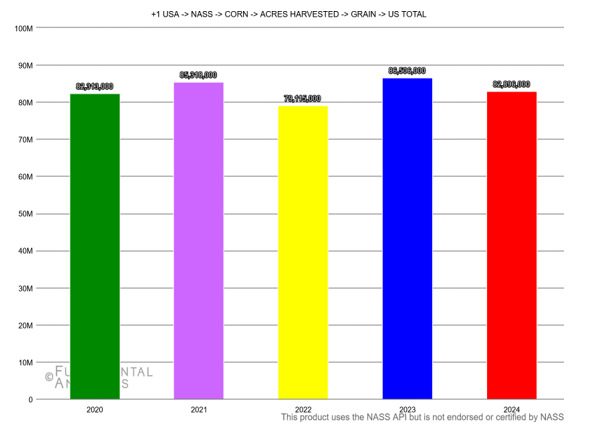
Figure 1: Acres of corn planted in the US
The acreage of corn planted this year, 95.2 million acres, is clearly larger than in any recent years. In fact, it is more than any year since 1936. The yield of corn per acre this year is 188.8 bushels, up from 179.3 bushels last year. Next, the condition of the corn crop as of September 2, 2025 had 69% with a good to excellent rating, as compared to 64% last year. It is clear that this year is likely to set records. Finally, the corn stocks stand at 4.64 billion bushels, down 7% from the same time last year. That allows for some extra storage this year.
With that setting the stage, we have a huge supply coming up. What does the demand look like? The USDA has used the term blistering to describe the export demand for corn this year:
2.97–2.975 billion bushels, which would be a record high if reached. The current estimates show the 2024/2025 exports will be roughly 500 million bushels higher than in 2023/2024, an increase of 22%!
The expected corn export demand this year is beyond the corn supply of any previous year. But as we have seen, this year the supply of corn is larger than in any previous year. So far this year, the corn weekly export inspections show just over 200 million bushels exported in the 2025/2026 year, 50% higher than last year at this time. The key countries that import US corn (Mexico, South Korea, and Japan) are very busy importing. The countries that export corn (Brazil and Ukraine) both have some difficulties. Brazil is slow getting its second corn crop planted due to weather, while Ukraine is still handicapped some by its war with Russia. China, once a major importer of US corn, has pulled back all purchases since US tariffs were set. Estimates on US corn exported to China monthly have dropped by 79% year-over-year.
Before we get to trading corn futures, here is a graph of their prices for the last several years:
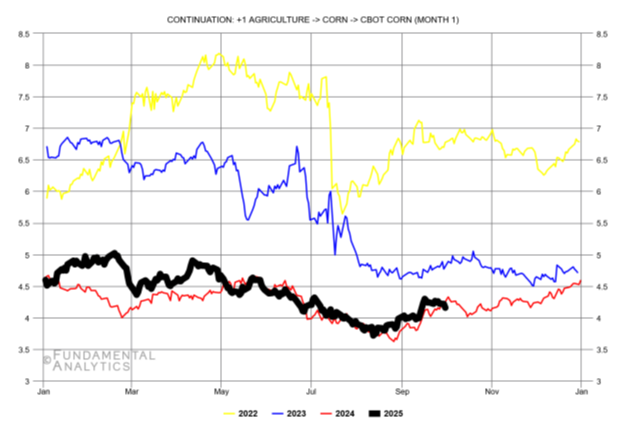
Figure 2: Acres of corn planted in the US
All this makes trading decisions less obvious. But there are signs that the market has already analyzed the situation. For example, corn futures initially dropped when the USDA began describing a very large harvest, but then the prices moderated as export demand kicked up. But now, despite record exports, corn futures have not trended higher. The market is saying that it believes that there is enough supply for the demand right now. Of course, the weather in Brazil will always remain a factor. The most reasonable play is for corn futures to remain steady with a slow downtrend.